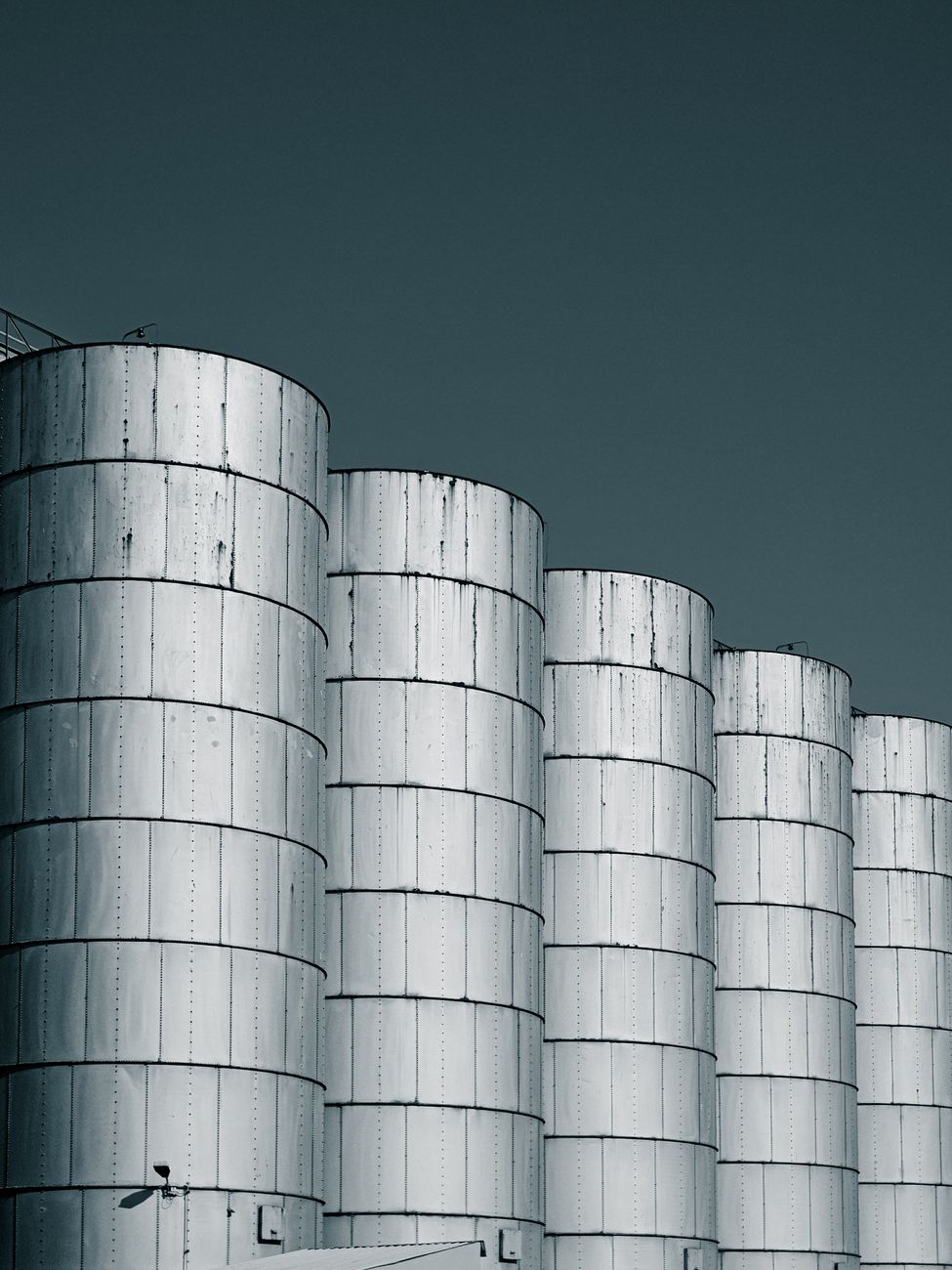
Agricultural supply channels remain the primary cornerstone of regional livelihood security. However, volatile climate patterns and outdated silo facilities have historically created severe post-harvest deficits. Over the last decade, key public-private initiatives have worked to scale high-efficiency grain storage hubs and build precision transport networks.
By leveraging decentralized warehouse networks and sensor-based temperature logs, rural cooperatives can minimize structural grain spillage and avoid panic-selling post-harvest. Predictive analytics are now helping teams safely project seasonal price movements.
Key Systemic Assets
Agricultural cooperatives across the country are seeing improvements from modernized storage systems:
- Sensor-based temperature monitoring prevents significant grain loss from moisture and pests.
- Decentralized warehouse locations put storage closer to local food producers, cutting fuel costs.
- Structured warehouse receipts can be used by farmers to secure short-term credit from rural lenders.
By securing storage infrastructure, farmer collectives can safely wait for stable market pricing, helping to improve food security and household financial health.