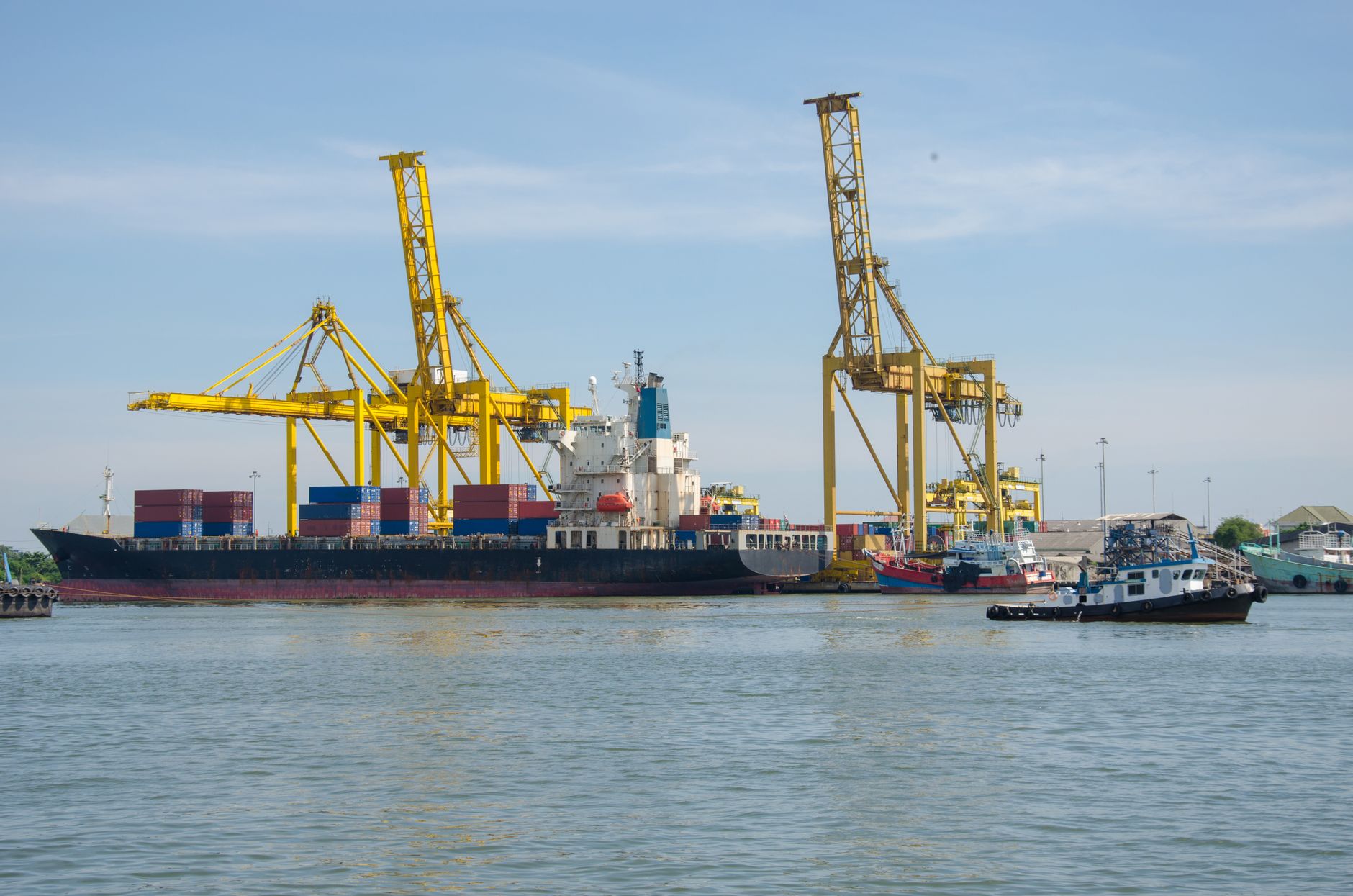
Developing robust, rapid, high-capacity dry-port connections and transport corridors is crucial to transforming local production chains. Over the past five quarters, specific investments into expanding deep-water harbor capacities and automated transport routes have triggered significant developments in regional export numbers. In this detailed report, we explore how cross-border trade guidelines are affecting manufacturing and distribution hubs in East Africa.
As trade agreements continue to evolve, reducing tariff barriers remains a key focus for regional commerce bodies. Automated customs processing and physical transport upgrades have decreased typical border clearing latency from 3.2 days down to just several hours at vital checkpoints.
Critical Commercial Benefits
Local businesses moving goods across the East African Community are experiencing notable adjustments:
- Fresh horticultural products see a reduction in storage loss, preserving valuable crop yield profit margins.
- Standardized dry port systems have led to drop-shipping logistics operations expanding in regional hubs.
- Local small-and-medium enterprises (SMEs) can access regional consumer markets with reduced administrative overhead.
By streamlining physical transport logistics alongside digital transaction clearings, regional producers can reliably scale their international operations.